



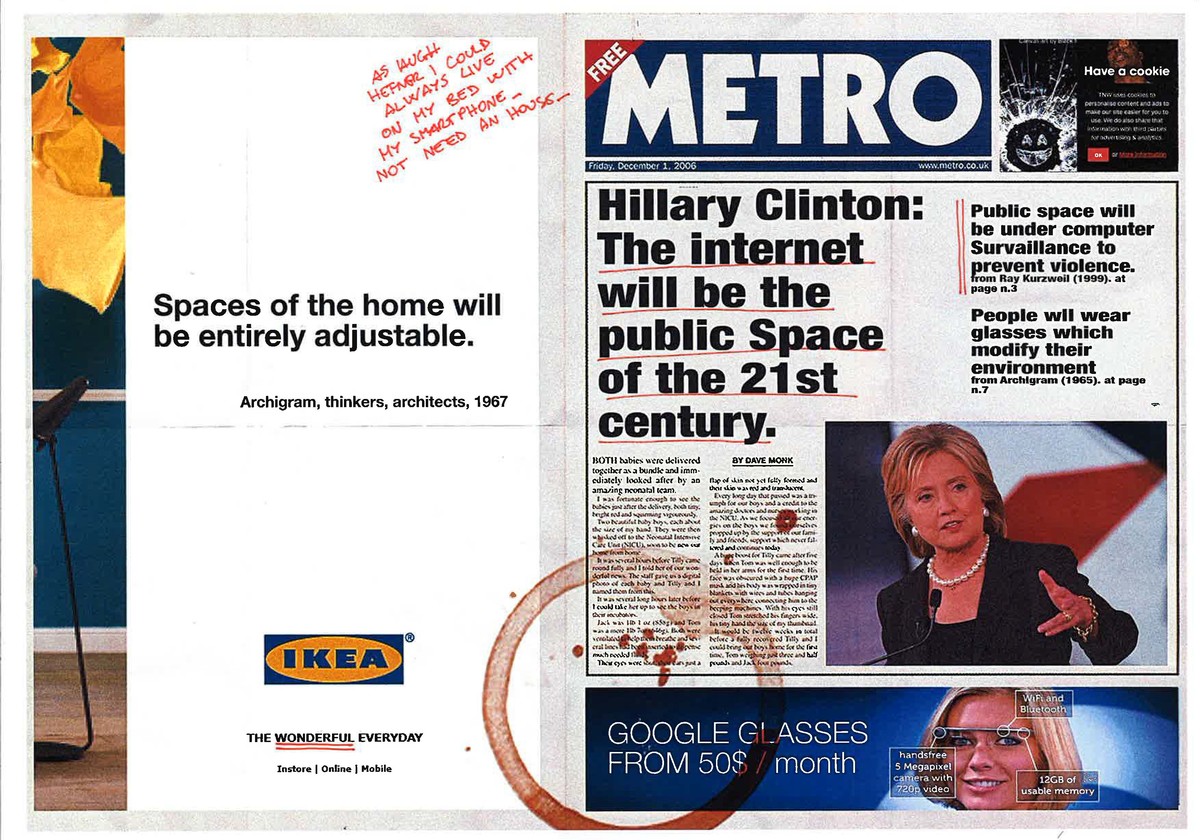
News from the recent future. Preoccupations about the interaction between digital technology and public space.
SuperSpatial: digital experiments on a possible public space
By Andrea Govi
From television series to non-specialised magazines, post-internet society and the digital revolution are topics that have and continue to be exhaustively studied. Concerns for the digital — from emerging VR technology to the rise of social networking, the proliferation of blogs and the internet of things — are ever-present. The architectural shift is also visible in the public spaces, that are silently changing in the post-internet society.
It is more rare, however, to come across architectural reactions to such silent transformations occurring within public spaces today. In fact, the very existence of public space in the future can perhaps be questioned. Already, the extent to which one may “live” without really leaving one’s home and engaging the city has become quite large. The internet may in many ways replicate and therefore render obsolete the movements, interactions and emotional experiences heretofore found only in the physical urban realm.
Rather than withdrawing entirely from the physical world in favor of a virtual one, it is perhaps more fruitful to make use of the potentials of digital technologies to give new meaning to and assist in the design of new kinds of public space.
The inspiraton comes from two completely diferent models of use of public space: the model of Google and the one of the Vucciria in Palermo.
The proposal is about SuperSpatial, a simple strategic system to use public space with the help of digital tools. SuperSpatal is an instrument to create relations between people and to get the best spatial and social efficiency from public space. SuperSpatial is a system that aims to alter our use of public space through the harnessing of people’s creative potentials as catalysts in the formation of public space, realized in a form specific to each context.
It lets people to map the empty and unused spaces in the cities, to propose ideas that usually couldn’t have a voice, to find investors and makers and then to know exactly what’s happening around you and who will join a space.
The main component of the system is the time. The projects can last for years or just for few hours, even for minutes.
The most extreme case in which SuperSpatial can operate is the one of the airport, where people can use SuperSpatial to transform the generic space in something more comfortable and specific to their needs. For instance a traveler that has to wait for his connection flight and has a passion for Yoga, could claim a free space of the airport and post on SuperSpatial his availability to offer a course. Than other travelers could join him and do the activity together, transforming the airport for half an hour into a Yoga class. In this case the extremely limited time doesn’t allow any spatial transformation, but in other cases the activities can be more complex and require architectural interventions. In some cases they can also last years and become real urban projects. SuperSpatial is a platform to share parts of the city in an intelligent way. SuperSpatial is a way to avoid waste of public ground. It is a way to share space.
SuperSpatial has started as a thesis at Politecnico di Milano, with Stefano Boeri and Ippolito Pestellini Laparelli as supervisors.
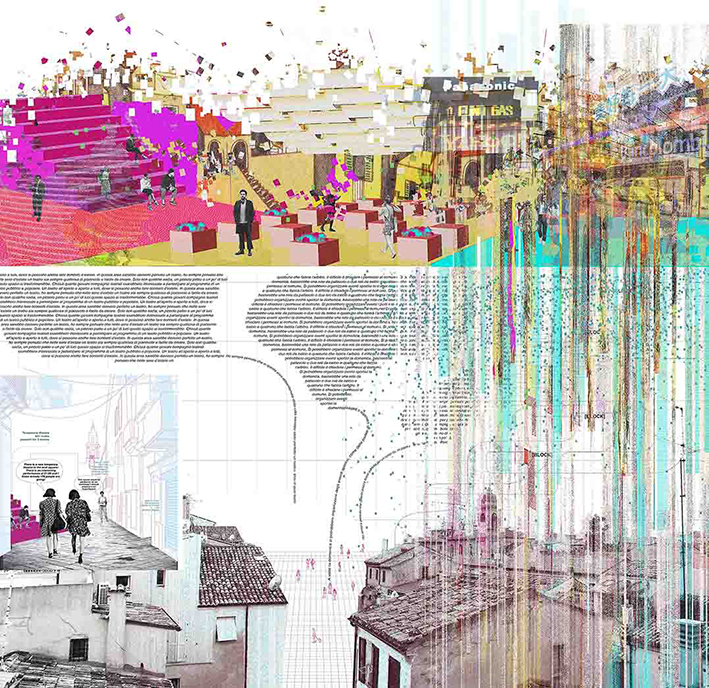
SuperSpatial is a new layer of digital organization and discussion that can be superimposed on the existing city, collecting new ideas and using the creative potential of the people that live the space everyday.
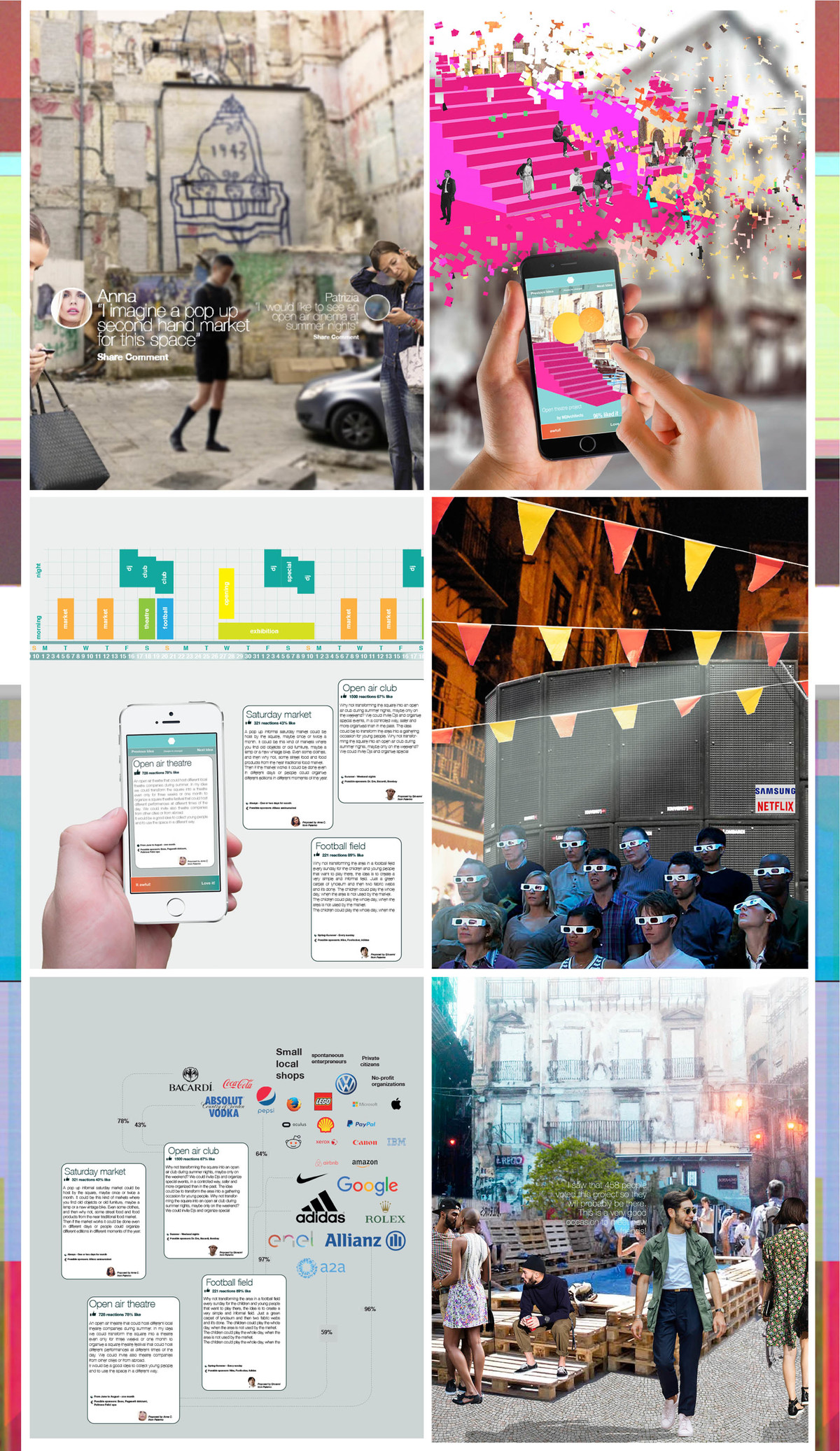
SuperSpatial system in 6 steps. 1) The people that use spaces can have ideas about their transformation 2) the ideas are stored in the digital system and organized in a possible timeline 3) everyday idea is connected to a possible investor with a perfect match 4) Ideas are voted by people 5) the temporary projects becomes instant ways to revitalize the space and to create a living advertising 6) The ideas are lived by people that knows what's happening around them and knows who will join the public spaces in the same moment.
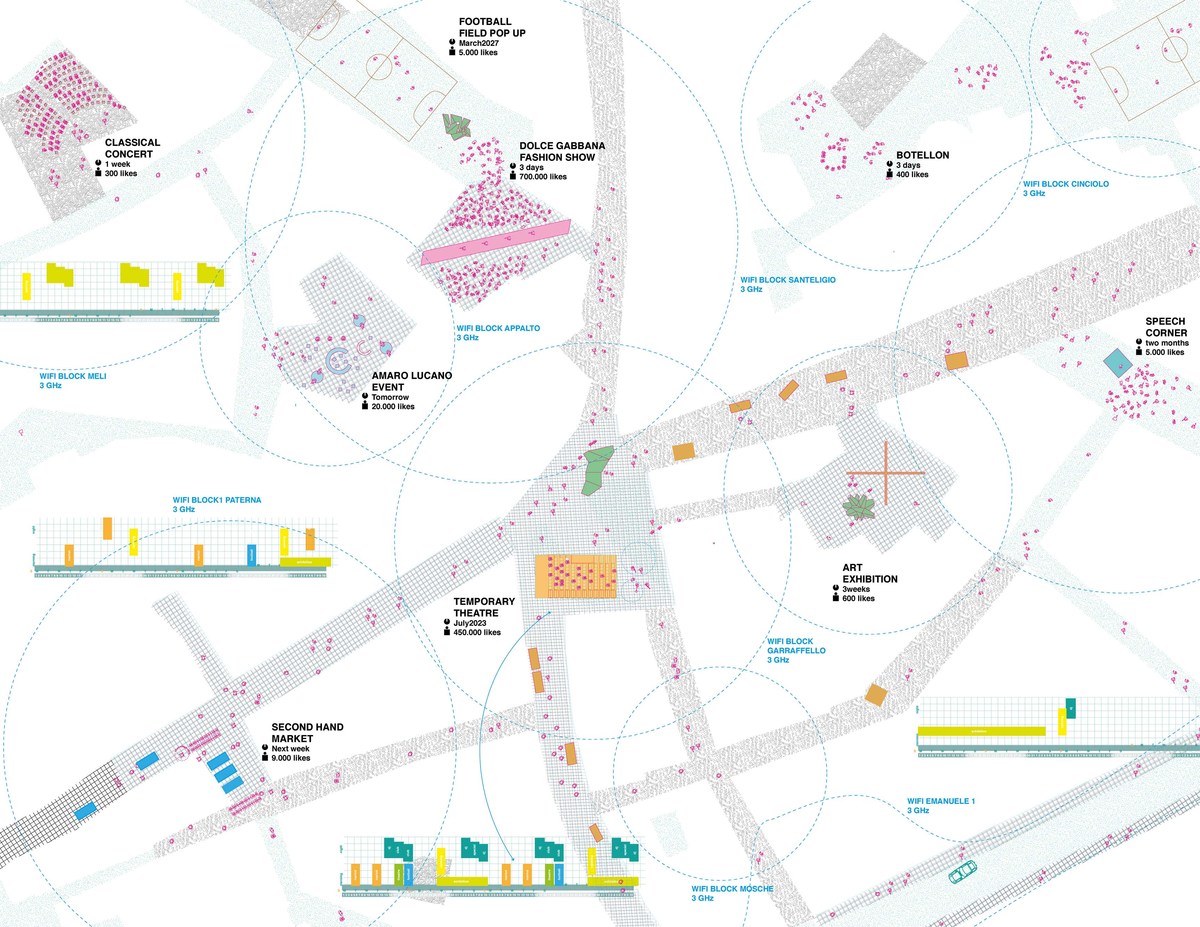
The city becomes a living and everchanging masterplan with different temporary activities. The program landscape change every minute.

The activities create different combinations in terms of location and time.
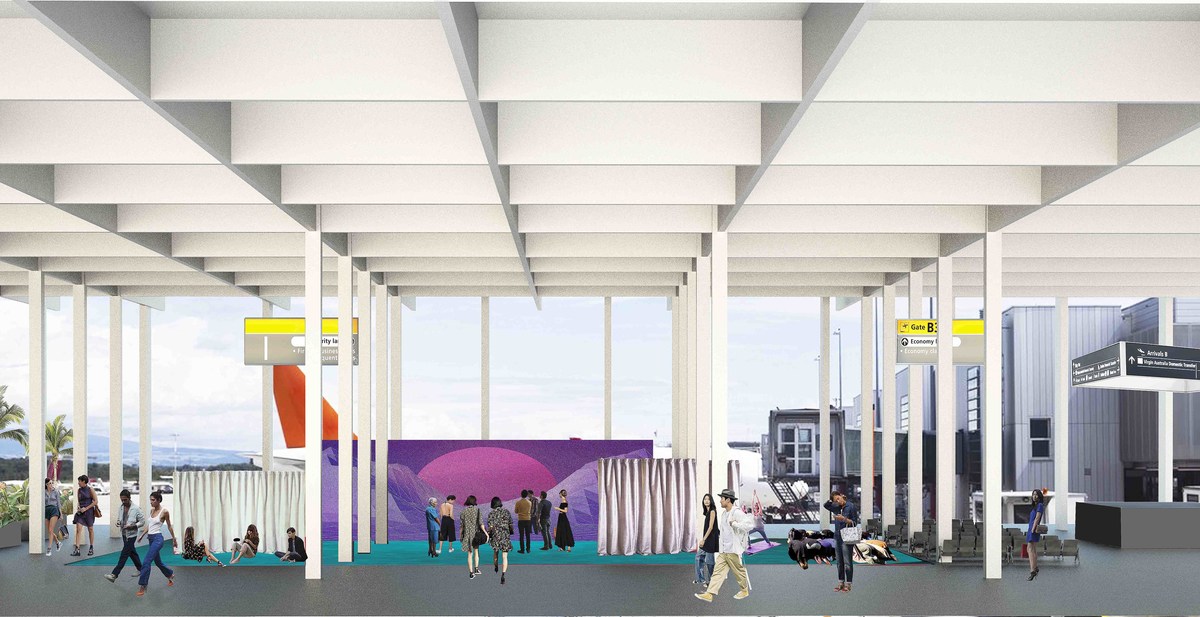
The extreme case of the airport. Maximum concentration of people for a minimum amount of time.
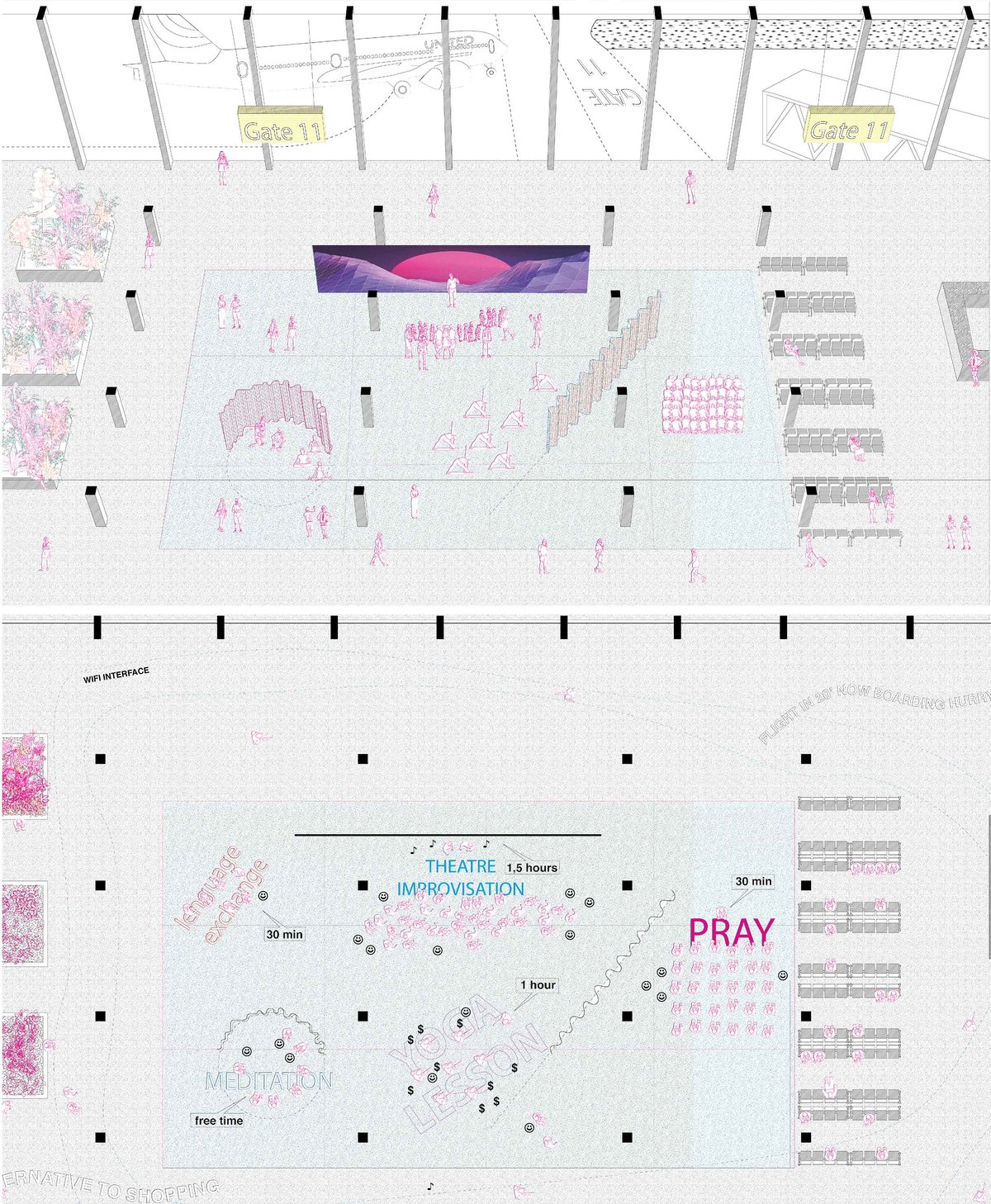
The proposed activities are fast and simple, they can transform the airport space in something different only for few hours.


106 Comments – Login to comment
innoutmenu · Sep 24, 24 9:28 am
https://participa.terrassa.cat/profiles/games12/activityhttps://suzuri.jp/kfcmenu8360https://code.antopie.org/games8360https://stackshare.io/games836039https://favor.com.ua/en/user/games8360https://www.pixiv.net/en/users/108043792https://www.snipesocial.co.uk/games8360https://activepages.com.au/profile/games8360innoutmenu · Sep 24, 24 9:32 am
https://haveagood.holiday/users/359157https://swaay.com/u/creami8360/about/https://beteiligung.tengen.de/profile/creami8360/https://visual.ly/users/creami8360/portfoliohttps://www.gamespot.com/profile/cream2/https://savee.it/creami8360/https://billionphotos.com/users/creami8360?tab=Summaryhttps://www.investagrams.com/Profile/cream21279220https://skinbase.org/profile/264419/creami8360https://forum.epicbrowser.com/profile.php?id=42403innoutmenu · Sep 24, 24 9:36 am
https://medium.com/@innoutmenu44https://issuu.com/innoutmenu44https://linktr.ee/innoutmenu44https://disqus.com/by/innoutmenu44/about/https://disqus.com/home/forums/innoutmenu44/https://www.deviantart.com/innoutmenu44https://sketchfab.com/innoutmenu44https://www.credly.com/users/innout-menuhttps://band.us/band/95923070/introhttps://band.us/band/95923070/https://wakelet.com/wake/gARo4WJ5p9qnHr-vHPcEwhttps://participa.gencat.cat/profiles/innoutmenu44/activityhttps://nl.pinterest.com/innoutmenu/https://www.instapaper.com/p/14779143https://hashnode.com/@innoutmenu44https://chart-studio.plotly.com/~innoutmenu44https://x.com/innoutmenu44https://pantip.com/profile/8343310#topicshttps://learningapps.org/user/User14903187https://www.niftygateway.com/@innoutmenu/https://gettr.com/post/p3acu3la636https://coub.com/451dae59aaed311f2751https://app.roll20.net/users/14329972/in-n-out-mhttps://lu.ma/user/innoutmenu44https://www.bandlab.com/innoutmenu44https://www.metal-archives.com/users/innoutmenu44https://gitconnected.com/innoutmenu44/resumehttps://os.mbed.com/users/innoutmenu44/https://www.fundable.com/in-n-out-menuhttps://www.renderosity.com/users/id:1545864https://app.pluralsight.com/profile/innoutmenu-innoutmenhttps://doodleordie.com/profile/innoutmenu44https://www.growkudos.com/profile/in_n_out_menuinnoutmenu · Sep 24, 24 9:39 am
innoutmenu · Sep 24, 24 9:44 am
kabirsingh · Oct 17, 24 5:31 am